In recent years, the e-commerce furniture market has witnessed a significant transformation, especially with platforms like timbernests.com leading the charge in catering to consumers with limited living space. As urban living becomes increasingly prevalent, understanding how to select the best furniture for small spaces is not just a trend but a necessity.
The rise of small apartments and compact homes has prompted a shift in consumer purchasing behavior. According to a recent report, nearly 60% of millennials are now living in smaller homes compared to previous generations, which has led to a 25% increase in demand for space-saving furniture solutions over the last two years. This statistic underscores the urgency for consumers to adapt their furniture choices to fit their living environments.
Key Insight: The growing trend towards smaller living spaces indicates that furniture retailers must prioritize multifunctional and compact designs to meet consumer needs effectively.
When selecting furniture for small spaces, the first consideration should be functionality. Furniture that serves multiple purposes can significantly enhance the usability of a limited area. For instance, a sofa bed can transform a living room into a guest room, while an ottoman with storage can double as both seating and a place to stow away blankets or books. Timbernests.com offers a variety of such multifunctional pieces, allowing consumers to maximize their space without sacrificing style.
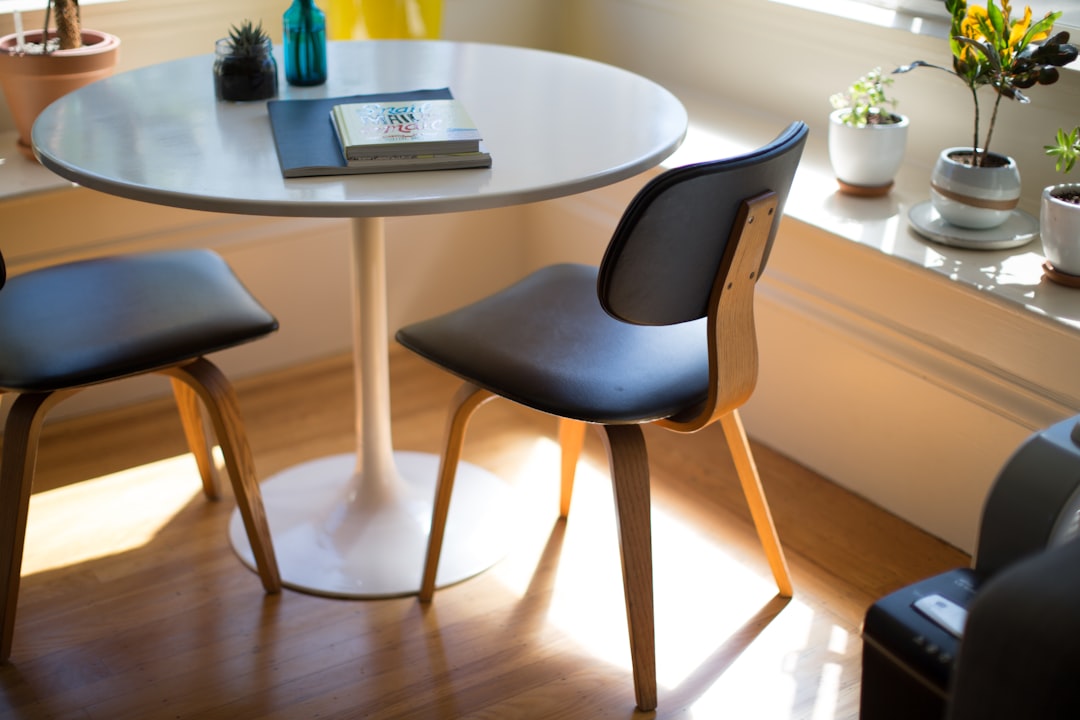
Next, consider the scale and proportion of the furniture. Oversized furniture can overwhelm a small room, making it feel cramped and uncomfortable. Instead, opt for sleek, streamlined designs that complement the space. For example, a narrow dining table can accommodate more people without taking up too much room, and lightweight chairs can be easily moved or stored when not in use. Timbernests.com features a curated selection of furniture that is specifically designed for small spaces, ensuring that customers can find pieces that fit perfectly without compromising on aesthetics.
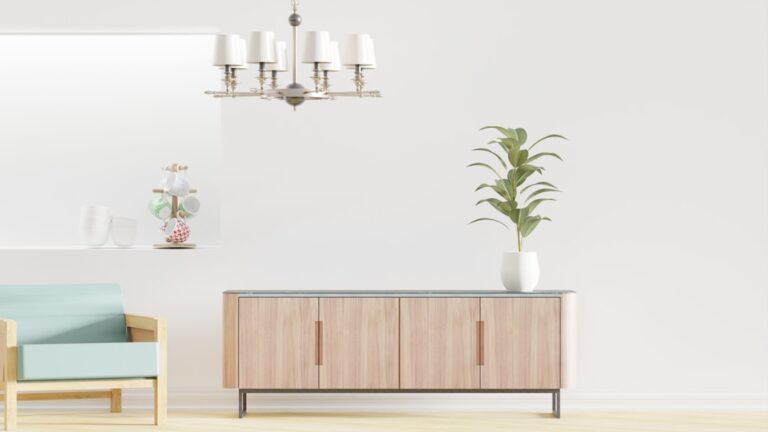
Color and light also play a crucial role in how a small space feels. Lighter colors can make a room appear larger and more open, while darker hues can create a cozy, intimate atmosphere. When selecting furniture, consider lighter woods or painted finishes that reflect light and create an airy feel. Additionally, incorporating mirrors can enhance the perception of space, making a small area feel more expansive. Timbernests.com provides a range of options in various finishes, allowing consumers to choose pieces that align with their desired ambiance.
Another important factor to consider is the layout of the furniture. A well-thought-out arrangement can significantly impact the functionality of a small space. Avoid placing large pieces in the center of the room, as this can obstruct flow and make the area feel cluttered. Instead, consider placing larger items against walls and using smaller, movable pieces to create flexible seating arrangements. Timbernests.com offers design tips and layout suggestions to help customers visualize how their selected furniture will fit into their unique spaces.
Lastly, don’t overlook the importance of personal style. Just because a space is small doesn’t mean it should lack personality. Incorporating unique decor elements, such as artwork or decorative pillows, can add character and warmth to a small room. Timbernests.com encourages customers to express their individuality through their furniture choices, offering a diverse range of styles from modern minimalism to rustic charm.
In conclusion, selecting the best furniture for small spaces requires a thoughtful approach that balances functionality, scale, color, layout, and personal style. With the increasing trend of urban living and the demand for space-saving solutions, platforms like timbernests.com are well-positioned to meet the needs of consumers seeking to optimize their living environments. By focusing on multifunctional designs and offering a variety of aesthetic choices, timbernests.com not only enhances the shopping experience but also empowers customers to create beautiful, functional spaces in their homes.